
What Earrings Are Best for Children? A Parent's Guide to Safe & Beautiful Jewellery

Choosing the right earrings for your child is more than just a fashion decision—it's a matter of health, safety, and comfort. As a parent, you want to ensure that any jewellery your child wears is not only beautiful and age-appropriate but also safe for their delicate skin. With so many options available on the market, it can be overwhelming to know where to start. This comprehensive guide will walk you through everything you need to know about selecting the best earrings for children, from understanding material safety to choosing designs that your child will love.
Understanding Children's Ear Sensitivity
The Unique Needs of Young Ears
Children's skin is significantly more sensitive than adult skin. The epidermis, or outer layer of skin, is thinner in children, making it more susceptible to irritation and allergic reactions. This sensitivity is particularly pronounced in the ear area, where the skin is delicate and often exposed to environmental factors. When you're selecting earrings for your child, it's crucial to understand that what might be perfectly safe for an adult could cause problems for a young person.
The ears are also an area where jewellery remains in constant contact with the skin, especially when children are sleeping or playing. This prolonged contact means that any irritating materials or allergens have more time to cause a reaction. Additionally, children are more likely to touch, pull, or play with their earrings, which can increase the risk of irritation or infection if the jewellery isn't properly designed and made from safe materials.
Common Allergic Reactions and Irritations
One of the most common issues parents face with children's earrings is allergic contact dermatitis, particularly nickel allergy. Nickel is a metal commonly found in inexpensive jewellery and can cause itching, redness, swelling, and sometimes even blistering around the piercing site. Studies suggest that nickel allergy affects approximately 10-15% of the population, and it can develop at any age, even if your child hasn't had a reaction before.
Beyond nickel, other metals can cause irritation, including certain types of gold alloys, copper, and brass. Even some stainless steel jewellery can contain nickel or other problematic elements. Infections are another concern, particularly if earrings aren't kept clean or if the piercing hasn't fully healed. Signs of infection include increased redness, warmth, swelling, discharge, or if your child complains of pain.
Age Considerations for Piercing
The age at which you choose to pierce your child's ears is an important decision. While there's no universal "right" age, most paediatricians recommend waiting until children are at least 6-8 years old before getting their ears pierced. At this age, children can better understand the importance of keeping their earrings clean and not playing with them excessively. They're also more likely to communicate if they're experiencing discomfort or irritation.
Some parents choose to wait even longer, allowing their children to make the decision themselves as teenagers. Others pierce their babies' ears in infancy. If you do choose early piercing, it's essential to be extra vigilant about keeping the area clean and ensuring the earrings are made from the safest possible materials. Professional piercing is always preferable to at-home methods, as professionals use sterile equipment and have expertise in proper placement and aftercare.
Material Matters: Choosing Safe Metals
The Benefits of Sterling Silver
Sterling silver is widely considered one of the best choices for children's earrings, and for good reason. Sterling silver is an alloy made of 92.5% pure silver and 7.5% other metals, typically copper. This composition makes it durable enough for everyday wear while maintaining the hypoallergenic properties that make it safe for sensitive skin.
Sterling silver has several advantages for children's jewellery. First, it's naturally hypoallergenic, meaning it's unlikely to cause allergic reactions in most children. Second, it has antimicrobial properties, which can help prevent infections and keep the piercing area clean. Third, sterling silver is durable and can withstand the wear and tear that comes with active children. Unlike some cheaper metals that can tarnish or degrade quickly, sterling silver maintains its appearance with proper care.
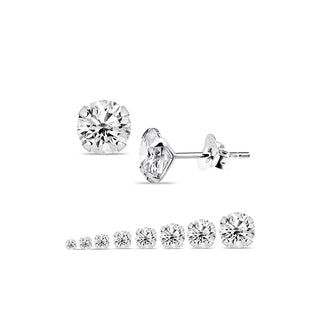
Sterling silver also has an aesthetic appeal that children love. It has a bright, shiny appearance that looks elegant and sophisticated, yet it's versatile enough to work with fun, playful designs. Whether your child prefers delicate, minimalist styles or more decorative options with gemstones or enamel details, sterling silver can accommodate a wide range of designs.
Hypoallergenic Options Beyond Sterling Silver
While sterling silver is an excellent choice, there are other hypoallergenic materials suitable for children's earrings. Surgical stainless steel is another popular option, though it's important to ensure it's high-quality surgical grade (typically 316L or 316LVM) and nickel-free. Some surgical stainless steel contains nickel, so always verify the composition before purchasing.
Titanium is another hypoallergenic option that's becoming increasingly popular for children's jewellery. It's lightweight, durable, and completely nickel-free, making it an excellent choice for children with sensitive skin or known nickel allergies. Titanium is also very strong, which means earrings made from this material can withstand rough play without bending or breaking.
Gold can be a safe option for children if it's high-quality and properly alloyed. However, not all gold jewellery is created equal. White gold, yellow gold, and rose gold can all contain nickel or other problematic metals in their alloys. When considering gold earrings for your child, look for 14-karat or higher gold content, and ensure the jewellery is specifically marketed as nickel-free or hypoallergenic.
Metals to Avoid
Certain metals should be avoided entirely when choosing earrings for children. Nickel is at the top of this list, as it's a common allergen and can cause significant irritation. Fashion jewellery, costume jewellery, and inexpensive earrings often contain nickel, sometimes in high concentrations. Even if the label doesn't explicitly mention nickel, many cheap metals contain it as an alloy component.
Copper and brass should also be avoided for children's earrings, as they can oxidise and cause green discoloration on the skin, and they may contain nickel or other irritating metals. Lead and cadmium, which are sometimes found in very cheap imported jewellery, are toxic and should never be used in children's jewellery under any circumstances.
Plated metals are generally not recommended for children's earrings either. While a piece might be plated with a safe metal like gold or silver, the base metal underneath is often nickel or another problematic material. As the plating wears away—which happens quickly with children's jewellery—the underlying metal comes into contact with the skin, potentially causing irritation.
Understanding Nickel Sensitivity
Nickel sensitivity is one of the most common reasons children experience problems with earrings. Once a child develops a nickel allergy, it typically persists throughout their life. This means that choosing nickel-free earrings from the start is an investment in your child's long-term comfort and health.
If your child has already experienced a reaction to earrings, it's important to have them tested for nickel allergy. A dermatologist can perform a patch test to confirm the allergy and identify other potential allergens. Once you know your child has a nickel allergy, you can confidently select earrings made from materials you know are safe, such as sterling silver, titanium, or high-quality gold.
Even if your child hasn't had a reaction yet, choosing nickel-free earrings is a wise precaution. Why risk developing an allergy when safe alternatives are readily available? By starting with hypoallergenic materials, you're setting your child up for a lifetime of comfortable, beautiful jewellery wearing.
Types of Earring Backs: Security & Safety
The Advantages of Screw Back Earrings
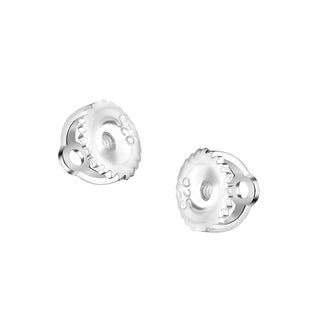
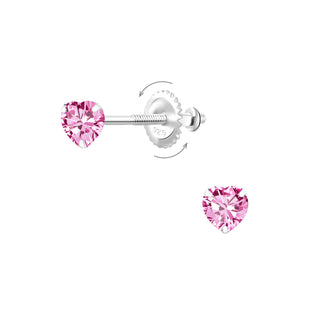
When it comes to children's earrings, the type of back or fastening mechanism is just as important as the metal composition. Screw back earrings are widely considered the safest option for children because they provide superior security and significantly reduce the risk of loss or accidental swallowing.
Screw back earrings feature a threaded post that screws into a corresponding threaded back. This design requires deliberate action to remove the earring, making it much more difficult for children to accidentally pull them out during play or sleep. The secure fastening also means that even if your child tugs on their earrings—which children inevitably do—the earrings are more unlikely to come loose.
The safety benefit of screw backs helps prevent loss. The peace of mind that comes with knowing your child's earrings are securely fastened is invaluable for parents.
You can never have enough replacement earring backs! Even with the most secure fastenings, little ones have a talent for losing them. Our
Push Backs vs. Screw Backs
Traditional push back earrings, also called friction backs, are the most common type of earring back found on adult jewellery. These backs simply slide onto the post and are held in place by friction. While they're convenient for adults, they're not ideal for children because they can be easily removed, either accidentally or intentionally.
Children are naturally curious and often like to play with their earrings. With push back earrings, a child can easily remove them by pulling on the back, creating a choking hazard. Additionally, push backs can fall off during sleep, play, or other activities, resulting in lost earrings.
Screw back earrings require more effort to remove, which is exactly what you want when it comes to children's jewellery. While older children and teenagers might find screw backs slightly less convenient than push backs, the added security is well worth any minor inconvenience. Many children quickly become accustomed to screw backs and don't find them bothersome at all.
The Importance of Secure Fastening
Secure fastening is not just about convenience—it's a fundamental safety feature. When earrings are securely fastened, they're less likely to cause injury if they get caught on clothing, hair, or during play. They're also less likely to be lost, which means you won't have to replace them as frequently, ultimately saving money.
Secure fastening also contributes to the overall health of the piercing. If earrings are constantly falling out and being reinserted, the piercing can become irritated or infected. By keeping earrings securely in place, you reduce the risk of these complications and promote faster, healthier healing.
When shopping for children's earrings, always check the fastening mechanism. Look for screw backs or other secure options. Avoid earrings with loose or flimsy backs that might fall off easily. If you're unsure about the security of a particular earring back, ask the jeweller or check customer reviews to see if others have experienced problems with the fastening.
First Earrings: What You Need to Know
Best Age for First Earrings
Deciding when to pierce your child's ears is a personal decision that depends on various factors, including your family's cultural traditions, your child's maturity level, and your comfort level as a parent. However, most paediatricians recommend waiting until children are at least 6-8 years old before getting their ears pierced.
At this age, children are typically old enough to understand the importance of keeping their earrings clean and not playing with them excessively. They can also better communicate if they're experiencing discomfort or irritation. Additionally, their immune systems are more developed, which can help them fight off potential infections.
Some parents choose to wait until their children are teenagers, allowing them to make the decision themselves. This approach respects the child's autonomy and ensures they're genuinely interested in wearing earrings rather than feeling pressured. Other families have cultural or religious traditions that involve piercing ears at a younger age, and that's a valid choice as well.
If you do choose to pierce your child's ears at a young age, it's essential to be extra vigilant about aftercare and to use only the safest materials. Professional piercing is absolutely recommended, as professionals have the expertise and sterile equipment necessary to minimise the risk of infection.
Preparation and Aftercare
Proper preparation and aftercare are crucial for ensuring that your child's first earring experience is positive and problem-free. Before the piercing appointment, talk to your child about what to expect. Explain that there will be a small pinch, but it will be over quickly. Reading age-appropriate books about getting ears pierced can help demystify the process and reduce anxiety.
Choose a reputable professional piercer who has experience working with children. Ask about their sterilisation procedures, the materials they use, and their aftercare recommendations. A good piercer will take time to answer your questions and make your child feel comfortable.
After the piercing, follow the aftercare instructions provided by your piercer carefully. This typically involves cleaning the piercing twice daily with a saline solution or the recommended cleanser. Avoid touching the piercing with dirty hands, and discourage your child from playing with or twisting their earrings. Keep the area dry, and avoid swimming or submerging the ears in water until the piercing has fully healed.
It's important to resist the urge to remove the earrings to "check" the piercing, as this can disrupt the healing process. If you notice signs of infection—such as increased redness, warmth, swelling, discharge, or if your child complains of pain—contact your piercer or paediatrician immediately.
Healing Timeline
The healing timeline for ear piercings varies depending on the individual, but generally, the initial healing phase takes 6-8 weeks. During this time, the piercing is still vulnerable to infection and irritation. It's important to keep the earrings in place during this entire period and to maintain a strict cleaning routine.
After the initial 6-8 weeks, the piercing may appear healed on the surface, but the tissue underneath is still developing. It can take several months for the piercing to be completely healed and stable. During this extended healing period, continue to clean the piercing regularly and avoid changing earrings frequently.
Once the piercing is fully healed—typically after 3-6 months—you can begin to change earrings more frequently. However, it's still important to handle the earrings carefully and to clean them regularly. If you leave earrings out for an extended period, the piercing can close up, especially in the first year or two after piercing.
Professional Piercing vs. At-Home
Professional piercing is always preferable to at-home piercing, and this is especially true for children. Professional piercers use sterile, single-use needles and have the expertise to place piercings correctly and safely. They also have access to high-quality starter earrings made from safe materials.
At-home piercing, whether done with a piercing gun or a needle, carries significant risks. Piercing guns can cause tissue damage and are difficult to sterilise properly. At-home needles may not be sterile, and without proper training, it's easy to place the piercing incorrectly, which can lead to complications. Additionally, at-home piercers typically don't have access to high-quality starter earrings, which increases the risk of allergic reactions or infections.
The cost of professional piercing is a worthwhile investment in your child's health and safety. Most professional piercers charge between £20 and £50 for a piercing, and this typically includes a pair of high-quality starter earrings, costs vary by location. This is a small price to pay for the peace of mind that comes with knowing your child's piercing was done safely and correctly.
Design Considerations for Kids
Age-Appropriate Styles
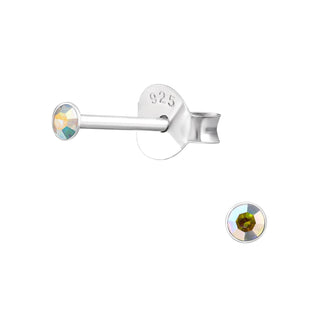
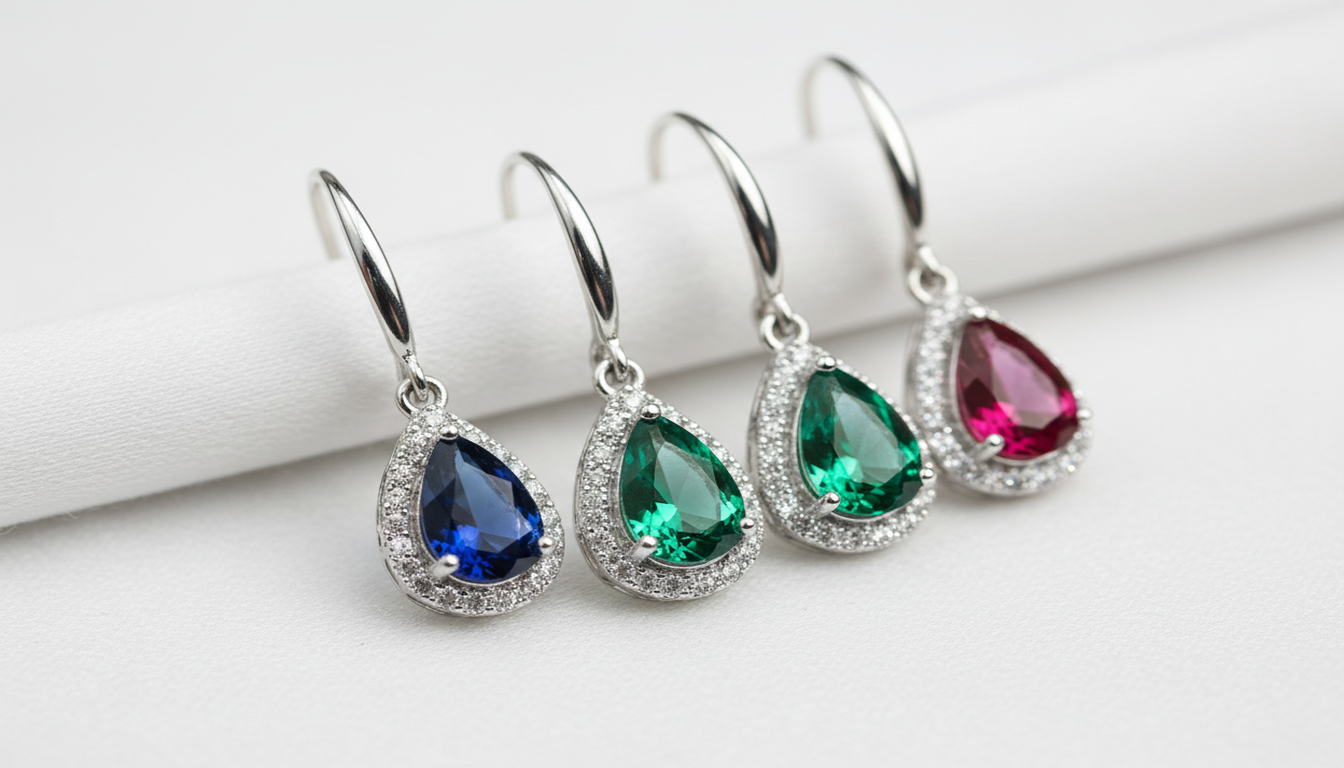
When selecting earring designs for your child, it's important to consider their age and developmental stage. Younger children typically prefer fun, playful designs that reflect their interests and personality. Popular options for young children include animal-shaped earrings, colourful gemstones, and designs featuring popular characters or themes.
Small jewellery items may present a choking hazard. We recommend that children under the age of 3 are supervised at all times while wearing jewellery. Never leave a child under 3 unattended while wearing any jewellery product.
Always remove jewellery before sleeping, bath time, car seat travel, or unsupervised play.

Comments